Last week's newsletter picks out reportage that is inherently anti-establishment. Be it an expose on Manipur's vanishing forests in the backdrop of the strife in the state, a series exposing the Election Commission's SIR that wiped out 97 lakh voters in Tamil Nadu, how big businesses continue to fund political parties in India and a piece on the Indians named in the Epstein files.
As a seasoned journalist, my staunch view is that journalism has to be inherently anti-establishment. Apart from reportage that makes complex government gibberish lucid for citizens, publications should dedicate resources and space for in-depth reportage that asks tough questions.
Today’s curation reflects that train of thought. My first recco is a top-class investigation about Manipur’s vanishing forests in the backdrop of the strife in the border state.
Staying with the news cycle, there’s a piece focussing on the Indians who were named in Epstein files.
My personal favourite is a series by a mainstream newspaper picking holes in the Special Intensive Revision (SIR) of electoral rolls in Tamil Nadu which wiped out 97 lakh voters. It’s an 8-part series and worth your time; do check it out.
Another curation this week is a piece on how big businesses continue to pump millions into India’s political parties.
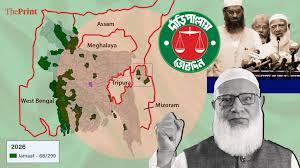
Lastly, do check out a detailed analysis of what the elections in Bangladesh mean for India’s border districts.
Happy reading!
Our Curation For The Week
1. Did poppy cultivation drive Manipur’s deforestation and ethnic conflict
Read here

2. The Indians in Epstein’s web
Read here

3. Investigating SIR in Tamil Nadu which wiped out 97 lakh voters
Read here

4. How big businesses pump millions into India’s political parties
Read here

5. Jamaat’s win in Bangladesh border districts and its impact on India
Read here